Introduction:
When it comes to laser eye surgical treatment, popular options often come into consideration: LASIK (Laser-Assisted In Situ Keratomileusis) and PRK (Photorefractive Keratectomy). Both procedures are intended to correct vision issues, however, they differ in numerous ways. This article will help you understand the distinctions between LASIK vs PRK, aiding you in making a knowledgeable selection approximately which system is satisfactory and perfect for your wishes.
LASIK vs PRK: What’s the Difference?
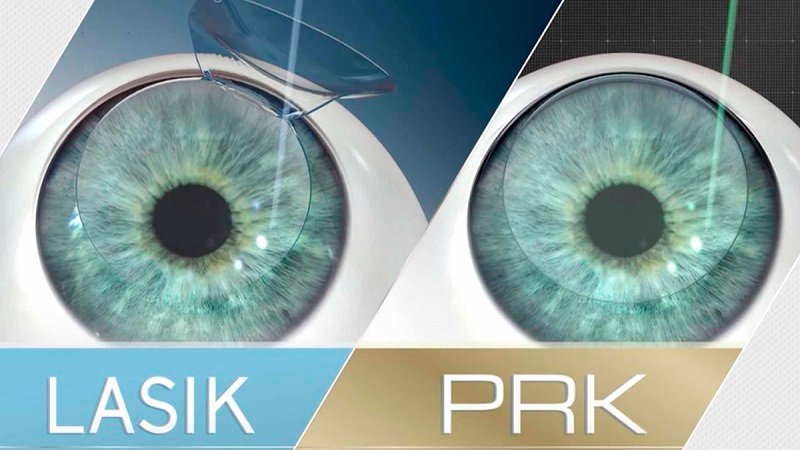
The primary distinction between LASIK vs PRK lies in how the surface of the cornea is treated. LASIK involves creating a thin flap on the cornea, which is then lifted for laser reshaping underneath. PRK, on the other hand, removes the outer epithelial layer entirely before reshaping the cornea. Both surgeries aim to correct refractive errors, but the recovery process and comfort level differ significantly.
-
LASIK – A Closer Look
LASIK is one of the most widely performed laser eye surgeries in the world. It begins with the creation of a thin corneal flap using either a microkeratome blade or a femtosecond laser. Once the flap is lifted, an excimer laser reshapes the cornea to improve how light is focused on the retina. The flap is then repositioned naturally without stitches.
The major benefits of LASIK include quick recovery, minimal discomfort, and rapid improvement in vision, often within 24 hours. Patients can typically resume most normal activities the next day. However, individuals with thinner corneas or dry eyes might not be ideal candidates for LASIK, making PRK a better option.
-
PRK – A Deeper Dive
In PRK surgery, the outer layer of the cornea (epithelium) is gently removed, and then the laser reshapes the underlying corneal tissue. Unlike LASIK, there’s no flap created, which makes PRK a safer choice for patients with thin or irregular corneas.
The healing process for PRK takes longer because the epithelium needs time to regenerate. Typically, the surface heals in 4–7 days, and vision gradually improves over several weeks. While recovery is slower, PRK eliminates flap-related complications, and the long-term visual outcomes are just as successful as LASIK.
-
Vision Correction Goals
Both LASIK vs PRK effectively correct common vision problems such as nearsightedness (myopia), farsightedness (hyperopia), and astigmatism. The goal of both surgeries is to reduce or eliminate dependency on glasses or contact lenses, improving clarity and comfort in everyday life.
-
Eligibility for LASIK vs PRK
Eligibility depends on factors like corneal thickness, eye health, and lifestyle. LASIK is typically recommended for patients with adequate corneal tissue, while PRK is suggested for those with thinner corneas or active lifestyles where eye trauma risk is higher, such as athletes or military personnel.
A thorough pre-operative eye exam is crucial to measure corneal thickness, map corneal shape, and check tear film stability.
-
LASIK vs PRK Safety
Both procedures are extremely safe when performed by a qualified surgeon. LASIK offers faster recovery, but it carries a small risk of flap complications or temporary dry eyes. PRK avoids flap issues but involves longer discomfort during the healing phase.
Recent technological advancements like wavefront-guided lasers and femtosecond laser systems have improved both procedures’ accuracy and reduced risks.
-
Recovery Timelines
LASIK patients generally regain clear vision within 24–48 hours, while PRK patients experience gradual improvement over 2–4 weeks. Both surgeries require avoiding swimming, rubbing eyes, or heavy exercise during the initial recovery phase.
Following post-operative care, using prescribed eye drops, and attending follow-up visits are essential for a smooth recovery and optimal results.
Immediate vs. Long-Term Results
LASIK delivers almost immediate clarity, but PRK patients often enjoy more stable long-term results since there’s no corneal flap that could weaken over time. Both surgeries offer lasting improvements, though vision may still change with age or due to other eye conditions.
-
Pain and Discomfort
PRK patients experience more discomfort during the first few days due to epithelial removal. Surgeons typically prescribe protective contact lenses and medicated drops to ease pain. LASIK, in contrast, causes minimal discomfort since the corneal surface remains largely intact.
-
Cost Comparison
The cost of LASIK vs PRK can vary by region and surgeon expertise but generally falls between $1,500 to $3,000 per eye. Although the initial cost seems high, both surgeries can be seen as long-term investments that eliminate the recurring cost of glasses or contacts.
-
Insurance Coverage
Most insurance companies consider laser vision correction elective, meaning they don’t cover it. However, some vision plans or health savings accounts (HSA/FSA) can be used to offset expenses. It’s best to verify your coverage before scheduling surgery.
Choosing the Right Surgeon
Choosing a skilled and experienced surgeon is critical. Look for specialists certified by the American Board of Ophthalmology or similar institutions. A detailed consultation ensures the surgeon understands your vision goals and determines which procedure—LASIK or PRK—best suits your eye health.
-
Lifestyle Considerations
Consider your lifestyle and how it may influence your choice between LASIK and PRK, especially if you’re an athlete or have specific visual demands.
-
Long-Term Vision Changes
Understand how LASIK and PRK might affect your vision as you age and if additional procedures may be necessary.
-
Patient Testimonials
Read testimonials from individuals who have undergone LASIK or PRK, sharing their experiences and outcomes.
Making Your Decision
Summarize the key points to consider when deciding between LASIK and PRK, and the importance of consulting with an eye care professional.
-
Consultation and Evaluation
Highlight the significance of a thorough pre-surgery consultation and evaluation to determine the most suitable procedure for your unique circumstances.
-
The Future of Laser Eye Surgery
New innovations such as SMILE (Small Incision Lenticule Extraction) and topography-guided LASIK continue to improve precision and recovery. As technology evolves, patients can expect safer, more efficient, and customized procedures in the near future.
Conclusion
LASIK and PRK are both effective methods of vision correction, each with its own set of advantages and considerations. LASIK and PRK are both effective methods of vision correction, each with its own set of advantages and considerations. the selection between LASIK vs PRK depends to your specific vision needs, lifestyle, and preferences. Consulting with an skilled eye health care provider is step one toward making an knowledgeable decision. whether you choose LASIK or PRK, both processes have the capacity to offer you with stepped forward vision and a lifestyles free from the hassle of glasses or contact lenses.