





Introduction:
Crying is a natural and emotional response to a wide range of situations, from sadness and grief to overwhelming joy. While it is an essential outlet for emotions, for some people, it comes with an uncomfortable side effect—throat pain. Experiencing discomfort in the throat while or after crying can make an emotional release even more challenging. If you’ve ever felt soreness, tightness, or irritation in your throat during emotional episodes, you’re not alone.
In this comprehensive guide, we will explore the causes of throat pain when crying and provide practical strategies to alleviate discomfort. By understanding the physiological and emotional factors behind this common issue, you can better manage your symptoms and approach emotional moments with comfort and confidence.
Understanding Throat Pain When Crying
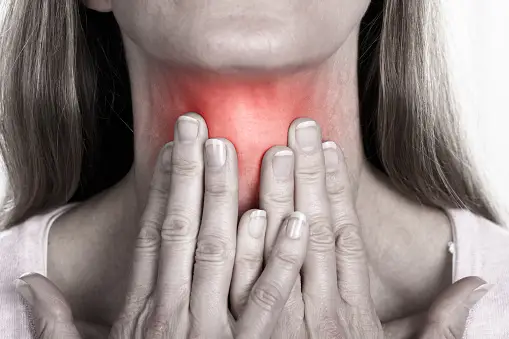
Throat pain when crying occurs due to a combination of physical and emotional responses. When you cry, several physiological changes happen simultaneously. The muscles in your throat may tense up as a response to emotional stress, which can lead to irritation and soreness. This tension, even if subtle, can cause a persistent discomfort that lingers after crying.
Additionally, the production of tears, especially during prolonged bouts of crying, can contribute to mild dehydration. Dehydration, in turn, can dry out the throat, making it more sensitive and prone to pain. Understanding these processes is key to addressing throat pain effectively, as it highlights the link between emotional expression and physical symptoms.
Common Causes of Throat Pain When Crying
-
Dehydration:
Tears are made up of water, salts, and other natural substances. Excessive crying can lead to a temporary loss of fluids, leaving the throat dry and irritated. Drinking adequate water before and after emotional episodes can help minimize this effect. -
Muscle Tension:
Emotional distress often leads to tightening of muscles, including those in the throat. This tension can create a feeling of soreness or even sharp discomfort, particularly when swallowing or speaking after crying. -
Acid Reflux:
Crying may sometimes trigger or worsen acid reflux symptoms. Stomach acid moving upward into the throat can irritate the lining, contributing to pain and discomfort. -
Allergies:
Individuals prone to allergies may notice that their throat becomes more sensitive during emotional moments. Irritation caused by allergens can intensify throat pain when crying. -
Respiratory Infections:
Existing conditions like colds, sinus infections, or other respiratory issues can make the throat more vulnerable. Crying during such episodes can exacerbate pain and prolong recovery.
Visit Website: https://medicalcave.com
Effective Strategies for Alleviating Throat Pain
-
Hydration is Key:
-
Drinking plenty of water before and after crying helps maintain moisture in the throat, reducing irritation.
-
Warm, soothing beverages such as herbal teas with honey can provide additional relief and comfort.
-
-
Practice Relaxation Techniques:
-
Deep breathing exercises can ease muscle tension in the throat and throughout the body.
-
Mindfulness or meditation practices can help manage emotional stress, reducing the physical effects of crying on the throat.
-
-
Maintain Good Posture:
-
Sitting or standing with proper posture minimizes strain on the throat muscles.
-
Avoid slouching, as poor posture can increase tension and aggravate discomfort.
-
-
Use Throat Lozenges or Sprays:
-
Lozenges containing menthol or honey can soothe an irritated throat.
-
Throat sprays target the affected area directly, providing fast relief from pain.
-
-
Identify and Manage Triggers:
-
Recognize the emotional situations that tend to lead to crying.
-
Working on coping strategies, or seeking support from friends, family, or mental health professionals, can reduce the frequency and intensity of emotional episodes.
-
-
Over-the-Counter Medications:
-
Non-prescription pain relievers or anti-inflammatory medications may be used as directed to manage throat pain when necessary.
-
Always follow dosage instructions and consult a healthcare professional if unsure.
-
Conclusion:
Mastering the art of dealing with throat pain when crying requires a holistic approach that addresses both physical and emotional factors. By understanding the causes—such as dehydration, muscle tension, acid reflux, allergies, and respiratory conditions—and implementing effective strategies, you can reduce discomfort and better manage emotional episodes.
Prioritizing your well-being and listening to your body is essential. If throat pain persists, worsens, or is accompanied by other symptoms, it is important to seek professional advice. Incorporating these hydration, relaxation, posture, and soothing strategies into your routine can empower you to embrace your emotions without the unwanted side effects of throat soreness, allowing you to experience emotional release in comfort.


