
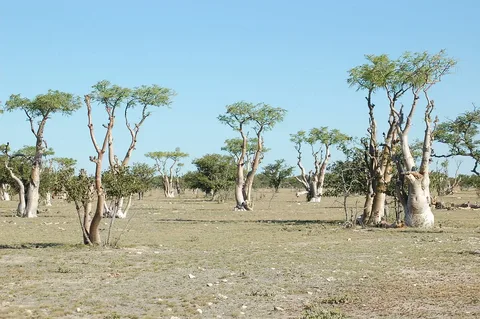
Embarking on an African safari is a bucket-list dream for many travellers, offering a unique opportunity to witness the continent’s most iconic wildlife in their natural habitat. Many gravitate towards more popular reserves like the Kruger or the Serengeti; however, Namibia’s Etosha National Park offers a completely different, equally majestic experience.
With a massive mineral pan that is even visible from space, Etosha is a place of stark beauty and incredible biodiversity. In this guide, we will explore why Etosha National Park deserves a top spot on your travel itinerary and what makes it one of the most accessible and rewarding safari destinations in Africa today.
-
The Magic of the Etosha Pan
The defining feature of the park is undoubtedly the Etosha Pan. This vast, salt-encrusted depression covers roughly 25% of the park’s total area. For most of the year, it is a shimmering white expanse, a “place of dry water”, that creates a hauntingly beautiful backdrop for photography.
- Unique Landscapes:The white salt crust reflects the light in extraordinary ways, often creating mirages that make distant herds appear as though they are floating.
- Seasonal Transformations:During particularly wet summers, the pan can partially fill with water, attracting thousands of flamingos and pelicans, turning the white desert into a pink-hued oasis.
-
World-Class Wildlife Viewing at Permanent Waterholes
One of the biggest advantages of Etosha is how easy it is to spot wildlife. Because the environment is so arid, animals are forced to gather around the park’s numerous natural and man-made waterholes.
- The Theatre of Nature: At spots like Okaukuejo, you can sit on a bench and watch the drama unfold. It is common to see lions, elephants, and rhinos all visiting the same waterhole within a single afternoon.
- Rare Species: Etosha is one of the few places where you can spot the endangered black rhinoceros. It has one of the largest black rhino populations in the world, offering some of the highest success rates for sightings in Africa. Etosha is also home to the endemic black-faced impala and the tiny Damara dik-dik, offering sightings you won’t find in other major African reserves.
-
An Accessible Adventure for Everyone
Unlike some of Africa’s more remote reserves that often require private charters, Etosha is remarkably accessible. This makes it an ideal choice for those looking for a high-quality experience that comes with logistical ease.
- Drive Friendly: The park features a well-maintained network of gravel roads, making it one of the best national parks in Africa to navigate by car. With a professional guide by your side, you’ll be able to track wildlife seamlessly. Just trust your guide and have a bit of patience at the waterholes.
- Accommodation Options: There are luxury lodges located in and around the gates that are well-equipped to cater to all of your needs. The best part is that there are options to suit various travel styles. Staying inside the park allows you to enjoy floodlit waterholes at night, which is a truly magical experience.
-
Optimal Photography Conditions
Etosha is a photographer’s dream. The pale sand and white salt pan act as a giant natural reflector, providing constant bright, clean light even when the sun is high.
- Minimal Obstructions: The vegetation in Etosha consists mainly of low shrubs and vast open plains, meaning your view of the wildlife is rarely obscured by thick bushes.
- Dust and Atmosphere: The dry environment creates a dusty atmosphere, leading to some of the most spectacular, golden-red sunsets you’ll ever witness.
Plan Your Namibian Escape
Namibia’s Etosha National Park offers a safari experience that is both raw and refined. Whether you’re just taking in the sheer scale of the salt pan, watching a pride of lions at a waterhole, or enjoying the open air during a game drive, it is a destination that stays with you long after you’ve left. With its unique geography and reliable wildlife sightings, Etosha proves that the heart of the African wild can sometimes be found in the quietest places.
FAQs about Visiting Etosha National Park
- When is the best time to visit Etosha? The dry winter months (May to October) are ideal for wildlife viewing, as animals gather in large numbers around the permanent waterholes.
- Do I need a 4×4 to visit the park? While a 4×4 is recommended for extra comfort and better clearance, the main roads in Etosha are well-graded gravel and can be navigated in a standard 2WD vehicle during the dry season. However, luxury lodges will most likely handle your transfers if you prefer to fully enjoy your visit without thinking about how you’ll get from A to B.
- Is Etosha safe for families? Yes, Etosha is a family-friendly destination. The camps are fenced and secure, and the ease of spotting wildlife from the car keeps younger travellers engaged throughout the day. Malaria is also low risk during the dry season, but some precautions can be taken during the wet season.
- Can I see the Big Five in Etosha? You can see four of the Big Five: Lion, Leopard, Elephant, and Rhino. Buffalo are not found here due to the dry climate, but the abundance of rare rhinos makes up for it
